
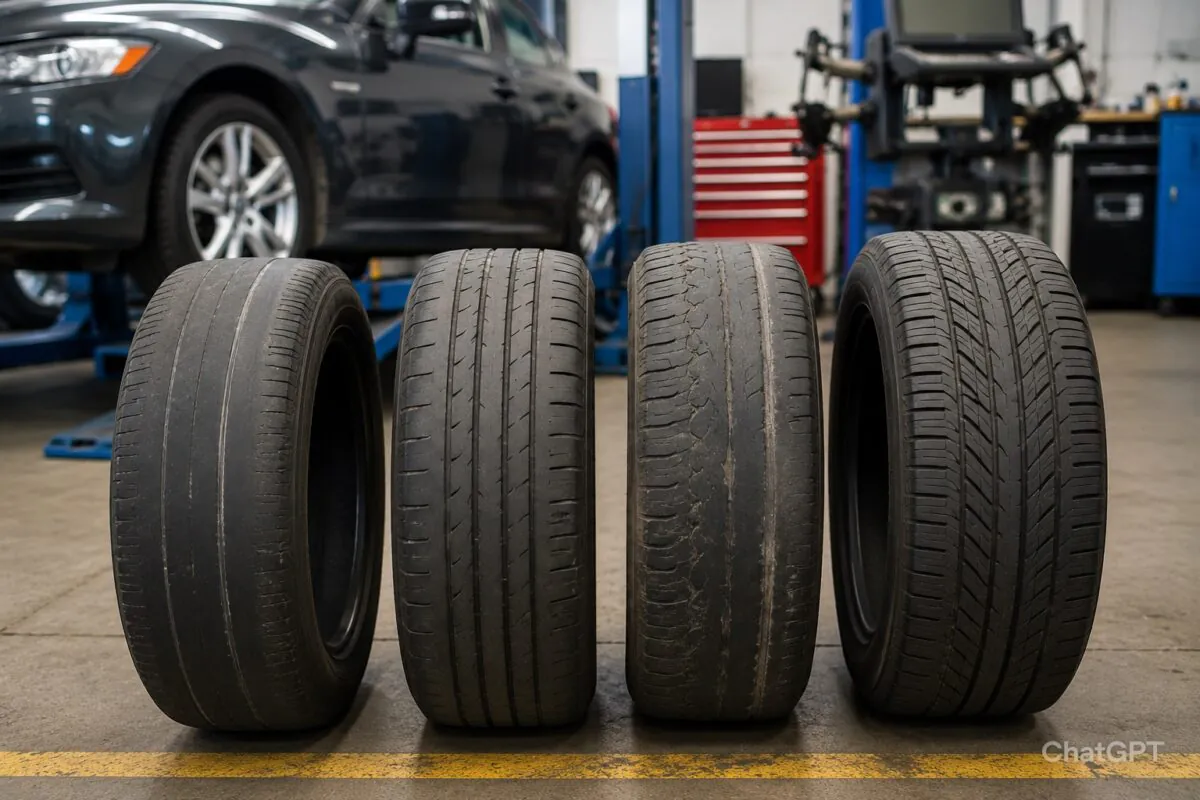
Your tires tell a story. If you know what to look for, the wear pattern on each tire reveals exactly how your vehicle handles the road.
Whether something in the suspension or steering system needs attention. Poor wheel alignment is one of the most common and consistently overlooked causes of premature tire damage. Philadelphia drivers deal with its consequences more often than most.
The roads here don’t do your alignment any favors. The potholes, rough patches, and bumps gradually pull your wheels out of their proper angles.
Once that happens, your tires start wearing unevenly, your fuel economy drops, and your steering feels slightly off. Left unaddressed, the damage compounds quickly.
Tire wear repair Philadelphia addresses these issues regularly. More often than not, drivers aren’t aware of the gravity of the situation. Here is a breakdown of common tire problems that become larger than intended.
What Wheel Alignment Actually Does
Alignment refers to the angles at which your tires contact the road. Three measurements matter most: camber, toe, and caster.
First, the camber describes how much the tire tilts inward or outward when viewed from the front. Then, the toe measures whether the fronts of your tires point toward or away from each other. Lastly, caster relates to the angle of the steering axis and affects stability at speed.
When these angles drift from their manufacturer specifications, your tires no longer roll in a straight, even line. Instead, they scrub against the pavement at a slight angle with every rotation.
That constant friction eats through the rubber in predictable patterns that point directly to the type of misalignment causing them.
Wheel alignment Philadelphia is all about knowing what causes the problem and how it can be prevented.
Inside Edge Wear and Outside Edge Wear
One of the most telling signs of an alignment problem shows up on the inner or outer edge of the tire.
When camber runs too negative, meaning the top of the tire leans inward, the inside edge bears most of the load and wears faster than the rest of the tread. Excessive positive camber does the opposite, pushing wear to the outside edge.
Drivers seeking tire wear repair in Philadelphia often come in with tires that look nearly new across most of the tread but show significant wear on just one side.
That pattern doesn’t result from inflation issues or driving habits. It points squarely at a camber problem that a proper alignment adjustment corrects.
If you let this type of wear progress, the tire loses structural integrity on the worn edge. At that point, replacement becomes unavoidable, and if the alignment stays uncorrected, the new tire starts wearing the same way within weeks.
A good tire balancing in Philadelphia PA, and suspension and alignment near me is all you need.
Feathering and Toe Misalignment
Feathering produces a different wear pattern. Run your hand across the tread blocks of your tire. If one side of each block feels smooth while the other feels sharp, your toe setting is likely off.
Tires with excessive toe-in or toe-out scrub laterally against the road rather than rolling cleanly forward. That lateral scrubbing rounds one edge of each tread block while leaving the opposite edge pointed.
This wear pattern develops faster than most drivers expect. Toe misalignment creates consistent friction with every mile, and the feathering effect can become noticeable within a few thousand miles of the alignment shifting.
Catching it early and visiting a quality auto alignment shop in Roxborough saves the tire and prevents the suspension stress that accompanies uncorrected toe problems.
Cupping and Suspension-Related Wear
Cupping looks exactly like it sounds; the tread develops a series of high and low spots that feel bumpy when you run your hand across the surface.
This pattern often connects to worn suspension components rather than alignment angles alone. Shocks and struts that no longer dampen properly allow the tire to bounce against the road instead of maintaining consistent contact.
However, alignment problems accelerate cupping. When a tire already contacts the road at a misaligned angle, uneven load distribution makes the bouncing pattern worse.
Drivers searching for suspension and alignment near me frequently discover that both systems need attention at the same time. Addressing alignment without inspecting the shocks and struts misses half the problem.
Cupped tires also create vibration and noise. If your steering wheel shakes at highway speeds or your ride feels rough over surfaces that used to feel smooth, cupping or balance issues likely contribute to what you’re experiencing.
Connection Between Alignment and Tire Balancing
Alignment and balance are different problems with overlapping symptoms. Alignment concerns the angles of your wheels. Balance concerns the distribution of weight around each wheel and tire assembly. Both affect tire wear, and both affect how the car feels to drive.
A tire that carries uneven weight spins with a slight wobble. That wobble creates vibration, which transfers to the steering wheel and through the floor.
Over time, it produces wear patterns that look similar to alignment-related damage. Many drivers who come in for tire balancing in Philadelphia PA, discover that their alignment also needs correction, and vice versa.
Getting both checked at the same visit makes sense. Balancing a tire that sits at the wrong angle solves only part of the problem. Similarly, correcting alignment on a set of imbalanced tires leaves vibration and uneven wear in place.
How Philadelphia Roads Accelerate the Problem
Philadelphia’s road conditions create alignment problems faster than most cities. A single significant pothole impact can knock a wheel out of alignment noticeably.
Repeated impacts across cracked pavement, construction zones, and heavily patched roads shift alignment gradually over time, even without a single dramatic hit.
Roxborough, Manayunk, and the surrounding neighborhoods combine city driving with hillier terrain and road conditions that stress suspension components regularly.
That combination makes routine alignment checks more important for Philadelphia drivers than for those in areas with smoother infrastructure.
Most alignment specialists recommend checking alignment at least once a year, more frequently for drivers who log significant city miles or regularly encounter rough road conditions.
For wheel alignment in Philadelphia, scheduling a check after a significant pothole strike or after noticing any of the wear patterns described above makes practical sense.
Frequently Asked Questions
How do I know if my tires are wearing unevenly due to alignment problems?
Look for wear concentrated on one edge of the tire, a feathered texture across the tread blocks, or cupped high-and-low spots around the circumference. These patterns differ from normal tread wear, which reduces depth evenly across the full tire surface. If you notice any of these signs, get your alignment and suspension inspected before the damage progresses further.
Can I keep driving on tires with alignment-related wear?
Technically, yes, but it’s not a good idea. Tires with significant uneven wear handle poorly in wet conditions, provide less traction during braking, and carry a higher risk of failure. Beyond safety concerns, continuing to drive on a misaligned vehicle destroys the tire faster and stresses other suspension components in the process.
Where can I get alignment, balancing, and suspension checked in the Philadelphia area?
Dr. Ralph’s handles wheel alignment in Philadelphia, tire balancing in Philadelphia PA, and full suspension inspections for drivers across the city and surrounding neighborhoods, including Roxborough. Their team diagnoses alignment and wear issues accurately and provides repairs that address the root cause rather than just the symptoms. Visit drralphs.com to schedule an appointment or learn more about their services.
Parting Thoughts
Tire problems caused by poor alignment don’t improve on their own. The wear continues, the damage spreads, and the repair cost climbs with every mile.
Checking your alignment regularly and acting quickly when wear patterns appear keeps your tires lasting longer and your car handling the way it should on Philadelphia’s demanding roads.
Book your appointment for a quick tire check and auto alignment at the shop in Roxborough today!