
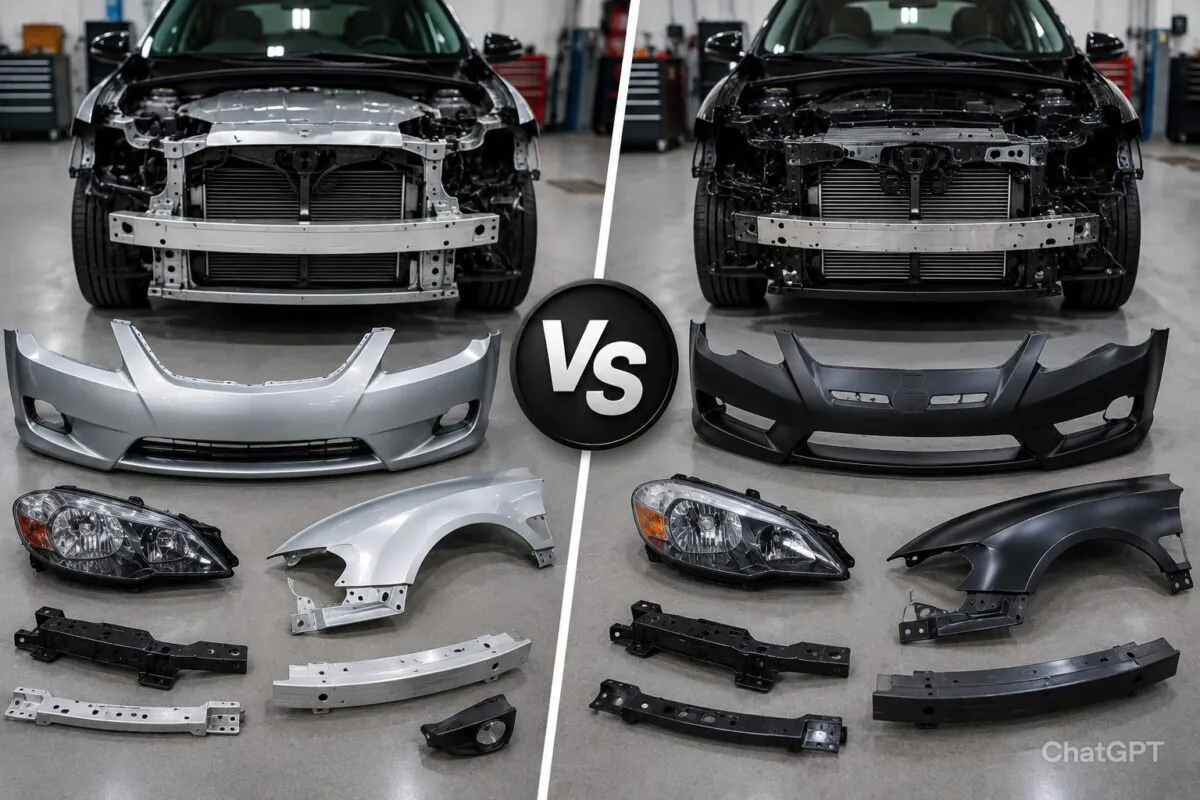
Getting into a car accident is already stressful enough. Then the repair process starts. You might hear terms like OEM and aftermarket. It can feel overwhelming. But this decision matters more than most people realize. The type of parts used in your repair affects how your car looks, how safe it is, and what it is worth down the road.
What Are OEM Parts?
OEM stands for Original Equipment Manufacturer. OEM parts are made by your vehicle’s original manufacturer or an approved supplier, using the same specifications as the original part. Same brand, same specs, same fit.
So if a truck hits your driver’s side door, an OEM replacement is the same door your car came with originally. No guessing, no adjusting, no hoping it lines up right. Shops in Philadelphia sell OEM auto body parts. They can help restore your car to its original factory condition.
These parts also usually come with a manufacturer’s warranty. That alone gives a lot of people peace of mind after going through something as rough as a collision.
What About Aftermarket Parts?
Aftermarket parts come from companies not linked to your car’s original maker. They design parts to fit a wide range of vehicles, which keeps costs down and makes them easier to find.
Here is the truth about aftermarket parts. Some of them are genuinely good. Certain brands have strong reputations and produce parts that hold up well over time. But others are inconsistent. The fit could be a bit off. The finish may not match exactly. They might wear out sooner than you think. You really cannot know until you look at the brand and the specific part.
Where the Difference Really Shows Up
People who come in for collision repair Philadelphia PA, ask about this all the time, and the answer is not always black and white. It depends on what part of the car was damaged and how serious the repair is.
For structural areas, the parts that hold your car together and protect you in a crash, fit and strength are key. A part that does not sit exactly right can change how your car behaves if you ever get hit again. That is not a small thing. That is your safety. People looking for a local accident repair center often choose OEM parts if the damage is more serious than just the surface.
For simpler cosmetic fixes on older cars, aftermarket parts can make a lot of sense. They cost less, and the difference in quality is often not noticeable once the job is done right.
Cost is also a real factor here. Aftermarket parts can bring the total repair bill down by a meaningful amount. Insurance companies know this, and they often prefer them. If your car is still under the manufacturer’s warranty, using non-OEM parts could complicate that coverage. Worth asking before anything gets started.
Honestly, Which One Should You Go With?
For a newer car, go OEM if you can. You are protecting your investment, keeping the car as safe as it was designed to be, and making sure the value holds. For vehicle restoration Philadelphia work on an older vehicle, aftermarket parts done right by a skilled team can be a completely reasonable choice.
What makes the biggest difference is who is repairing. Skilled body repair specialists PA, will be straight with you. They will tell you what parts make sense for your specific car and damage, not just what costs the most or what is easiest for them to source.
The best shops doing collision repair in Philadelphia PA, every day are transparent about this conversation. They will tell you exactly what they plan to use and why before the work begins. If a shop does not want to have that conversation, pay attention to that.
Shops that stock OEM auto body parts Philadelphia drivers need are usually better prepared to restore fit and finish properly.
Frequently Asked Questions
1. What is the difference between OEM and aftermarket collision parts?
OEM parts come straight from your car’s manufacturer. They are made to fit your vehicle perfectly. Aftermarket parts come from outside companies and are designed to fit many different vehicles. OEM parts are more precise and typically include a warranty. Aftermarket parts cost less, but their quality can differ greatly by brand.
2. Are OEM parts better for collision repairs?
For most collision repairs, especially those that impact structure or safety, using OEM parts is the best choice. The fit is right, the quality is consistent, and your car stays closer to what it was before the accident. For older cars or basic cosmetic repairs, quality aftermarket parts from a reliable source can work well.
Final Thoughts
You deserve to know exactly what is going into your car and why. A good repair shop makes that easy. For quality vehicle restoration Philadelphia and dependable collision repair Philadelphia PA, Dr. Ralph’s Automotive Services Center is here to help. Backed by experienced body repair specialists, PA, who take their work seriously, Dr. Ralph’s makes sure every repair is handled with care, honesty, and the right parts for your vehicle every single time.