
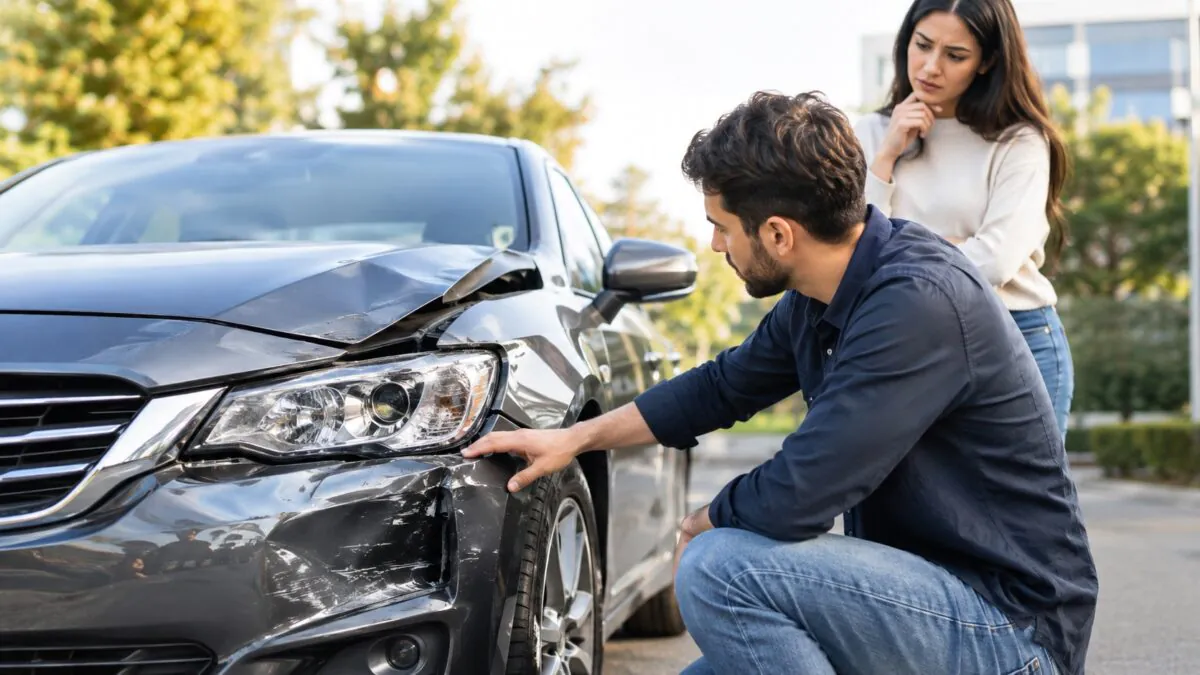
Your car starts fine, the wheels turn, and nothing looks obviously broken. Of course, it must be safe to keep driving, right? Not necessarily.
A car that still runs after a crash can hide real damage. Sometimes that damage shows up later, at the worst possible moment.
Here is what actually matters after a collision, even when your car seems perfectly fine to drive.
Why Drivable Does Not Always Mean Safe
A car starting and moving forward only tells you the engine works. It says nothing about your frame, suspension, or safety systems. Collision forces travel through the entire vehicle. Because of this, damage often shows up in places you cannot see just by looking under the hood.
Airbag sensors, for example, can suffer damage that leaves them unreliable in a future accident. This can happen even while your dashboard shows no warning light. A car that looks and drives fine today might not protect you the same way if something happens again.
Additionally, frame damage frequently goes unnoticed without a proper inspection. A bent frame can throw off your alignment slightly, something you might not even feel while driving around town.
Over time, this uneven wear damages your tires and suspension components faster than normal.
This is exactly why drivable car after accident Philadelphia searches spike after every fender bender across the city. People want a real answer, not just a guess based on how the car feels from the driver’s seat.
Warning Signs That Mean You Should Stop Driving
Some signs make the decision easy. If you notice fluid leaking underneath your car, pull over immediately. This could mean a damaged radiator, transmission line, or brake line, any of which can fail suddenly and dangerously.
Unusual noises deserve attention too. Grinding, clunking, or scraping sounds while driving or turning often point to suspension or steering damage. Because these systems directly control how your car handles, ignoring these noises risks a loss of control while driving.
Warning lights on your dashboard matter significantly here as well. A check engine light, airbag light, or brake warning light appearing after a collision signals something real. The computer already detected it, even if you cannot see or feel it yourself.
Curious whether that strange vibration or pull to one side after your accident is actually serious. Getting a professional look at it settles that question quickly, rather than hoping it resolves on its own.
Additionally, pay attention to how your steering feels. Any looseness, resistance, or pulling to one side after a collision suggests alignment or steering damage. This needs immediate attention before you drive any further.
Why You Should Still Get An Inspection Even With Minor Damage
Cosmetic damage rarely tells the whole story. A small dent or scratch on the surface can hide real structural damage underneath. This happens especially around bumpers, where sensors and structural components sit close to the surface.
Modern cars pack sensors and safety systems throughout the body. Because of this, even minor visible damage can knock something out of alignment internally.
A professional accident damage inspection in Philadelphia catches these hidden issues before they become bigger, more expensive problems down the road.
So, delaying an inspection because the damage looks minor often backfires. Small issues left unaddressed tend to worsen with continued driving. A simple fix can turn into a much larger repair bill later.
What’s worse, driving a damaged car can genuinely make repairs more expensive over time. A minor frame misalignment left unaddressed puts uneven stress on your tires and suspension. This happens with every mile you drive.
What starts as a small, affordable fix can snowball into a far costlier repair the longer you wait.
Getting Your Car Properly Checked And Repaired
If you are unsure whether your car is truly safe to drive, get it inspected. This is the safest move before continuing daily use. A trusted collision repair Philadelphia shop can identify hidden damage that is not visible from a quick glance. That gives you real peace of mind either way.
For drivers near the Roxborough area specifically, a collision center near Roxborough keeps the process convenient. You do not have to sacrifice thoroughness for convenience. A proper car accident repair Philadelphia shop checks your frame, suspension, and safety systems. It looks past the visible dents and scratches.
Dr. Ralphs provides thorough auto body shop Philadelphia, PA service. Our team handles everything from minor cosmetic repairs to complete vehicle collision repair Philadelphia drivers can trust.
If your car still runs after a collision but something feels off, reach out today. Let our team confirm it is actually safe before you drive another mile.
Frequently Asked Questions
Is it safe to drive a car after a collision if it still runs?
Not necessarily. A car can start and drive normally while hiding frame damage, sensor issues, or suspension problems. A professional inspection confirms whether the vehicle is actually safe, rather than relying on how it feels behind the wheel.
Should I get my car inspected even if there is only minor visible damage?
Yes, minor cosmetic damage can hide structural or sensor damage underneath. This happens especially around bumpers, where safety components sit close to the surface. An inspection catches these issues before they become bigger problems.
What warning signs mean I should stop driving my car after an accident?
Fluid leaks, unusual noises, and dashboard warning lights all signal a problem. Steering that feels loose or pulls to one side means the same thing, so stop driving and get the car inspected right away.
Can driving a damaged car make collision repairs more expensive?
Yes, continuing to drive with unresolved frame or suspension damage puts uneven stress on your tires and other components. This often turns a smaller, more affordable repair into a much larger one over time.