
You know how a doctor checks your blood before telling you what’s going on inside your body? Your car works the same way. The fluids running through it aren’t just there to keep things moving.
They’re actually giving you hints about what’s happening under the hood, way before a warning light ever pops up.
If you’ve been putting off getting your car looked at, this is the kind of thing that’s worth paying attention to. And if you’re in the area and looking for mechanical repair Philadelphia drivers actually trust, knowing a bit about your fluids can help you talk to your mechanic with more confidence.
Fluids Aren’t Just Extra Stuff, They Matter
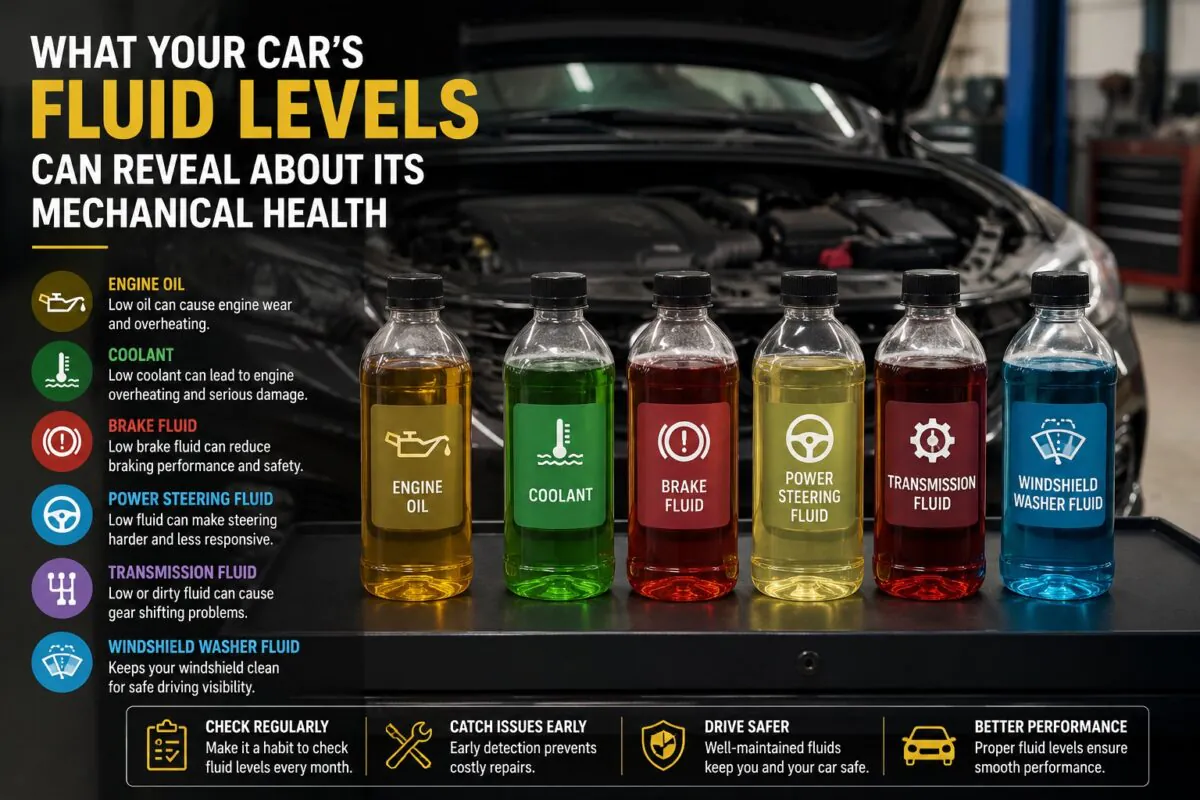
A lot of people think fluids are just something you top off once in a while and forget about. But oil, coolant, brake fluid, transmission fluid- they each have a real job to do. Oil keeps your engine parts from grinding against each other.
Coolant stops your engine from overheating. Brake fluid is what lets you actually stop the car when you hit the pedal.
When any of these start running low, it’s usually not random. There’s a reason behind it. That’s really the whole point of a proper car’s fluid levels inspection Philadelphia shops offer. It’s not just a formality; it’s how small problems get caught before they turn into big ones.
What It Means When Your Oil Keeps Dropping
Oil is probably the fluid people ask about the most. If you find yourself adding oil more often than usual between changes, it’s worth figuring out why.
Sometimes it’s a simple external leak, an easy fix. But other times it means the engine is actually burning oil inside, which can point to worn-out piston rings or bad valve seals. That’s bigger damage. Running your engine low on oil for too long can cause overheating, and in bad cases, it can cause severe engine damage or even complete engine failure.
If your oil light keeps coming on or you’re refilling more than you used to, don’t pass it off. A shop that handles auto repair in Philadelphia, PA drivers can figure out quickly whether it’s something minor or something that needs real attention.
Coolant and Transmission Fluid Tell Their Own Story
Coolant is another one worth watching. If it looks rusty, or you find yourself topping it off way too often, there’s a good chance you’ve got a leak somewhere or your radiator isn’t doing its job anymore. That’s not something to ignore, because overheating is one of the fastest ways to seriously damage an engine.
Transmission fluid works kind of the same way. When it’s healthy, it looks reddish and clear. Once it turns dark brown or starts smelling burnt, that usually means something is happening inside the transmission, or it’s been running hotter than it should.
Catching this early through regular vehicle maintenance Philadelphia checkups can honestly save you from a full transmission rebuild later, which nobody wants to pay for.
Why Color and Smell Actually Matter
It might sound strange, but a mechanic can tell a lot just from how a fluid looks or smells. Fresh oil is usually a light amber color. Oil naturally darkens as it circulates through the engine. A gritty texture, sludge, low level, or overdue service interval is more concerning than color alone.
Brake fluid should generally look clear to light yellow. Brake fluid can darken with age, and moisture contamination can reduce its performance over time. If the fluid looks unusually dark or contaminated, it’s worth having it checked.
A sweet smell from under the hood can indicate a coolant leak. A burnt smell can point to overheated oil, transmission fluid, or another component that needs attention.
These aren’t things most drivers notice on their own, which is exactly why having someone experienced check things out matters, whether you’re closer to Center City or looking for a mechanic near Roxborough. Having someone who knows what to look for makes a real difference.
So How Often Should You Actually Check
Honestly, once a month is a good habit for the big ones: oil, coolant, and brake fluid. Most automotive repair services in Philadelphia shops will also do a full fluid check whenever you bring your car in for an oil change, which is usually every five to seven thousand miles depending on what you drive.
But if you ever notice a strange smell or a dashboard warning light you haven’t seen before, don’t wait around for your next scheduled visit. Get it looked at sooner rather than later.
FAQs
1. Which vehicle fluids should drivers check regularly?
The big ones are engine oil, coolant, brake fluid, transmission fluid, and power steering fluid. Keeping an eye on these helps you catch problems early instead of finding out the hard way.
2. What can low engine oil indicate about a vehicle?
It could just be a small leak, but it can also mean your engine is burning oil internally, which points to bigger wear issues. Either way, it’s worth getting checked instead of just topping it off and moving on.
3. Can changes in fluid color or smell indicate a mechanical problem?
Yes, definitely. Gritty or sludgy oil, unusually dark brake fluid, or a burnt smell coming from anywhere under the hood usually means something needs attention. These small changes are often the first warning sign you get.
4. How often should a car’s fluid levels be inspected?
A monthly check is a good habit, and a full inspection during every oil change is even better. It’s a simple way to avoid bigger repairs later.
Final Thoughts
Your car is always telling you something; you just have to know where to look. Checking your fluids regularly is one of the easiest ways to stay ahead of problems instead of reacting to them.
If something feels off or you simply want a second opinion, Dr. Ralph’s Automotive Services can inspect your vehicle and help you understand what needs attention.